Common Garage Door Myths That Could Be Costing You Money
The garage door myths that cost homeowners the most are that spring repair is a safe DIY job, that a door is fine as long as it opens, that doors don't need maintenance, and that any spray lubricant will do. Each one lets small, cheap problems grow into expensive repairs, or creates a safety risk. A yearly tune-up and a call to a pro at the first sign of trouble prevent most of them.
Key takeaways
- Springs are the most dangerous part of a garage door. Leave adjustment and replacement to trained technicians.
- A door that opens can still be badly out of balance, which wears out the opener early.
- Use a silicone or lithium spray made for garage doors. Do not grease the tracks.
- Safety sensors are required on automatic openers. Never bypass them.
Every week our technicians meet homeowners who did something they thought would save money, only to end up with a bigger repair bill. It is not their fault. Garage doors are full of advice that sounds right but isn't. Some of it is outdated, some comes from online videos, and some is just guesswork.
Here are the eight myths we hear most often around Charlotte, why they are wrong, and what to do instead.
Which garage door myths cost homeowners the most?
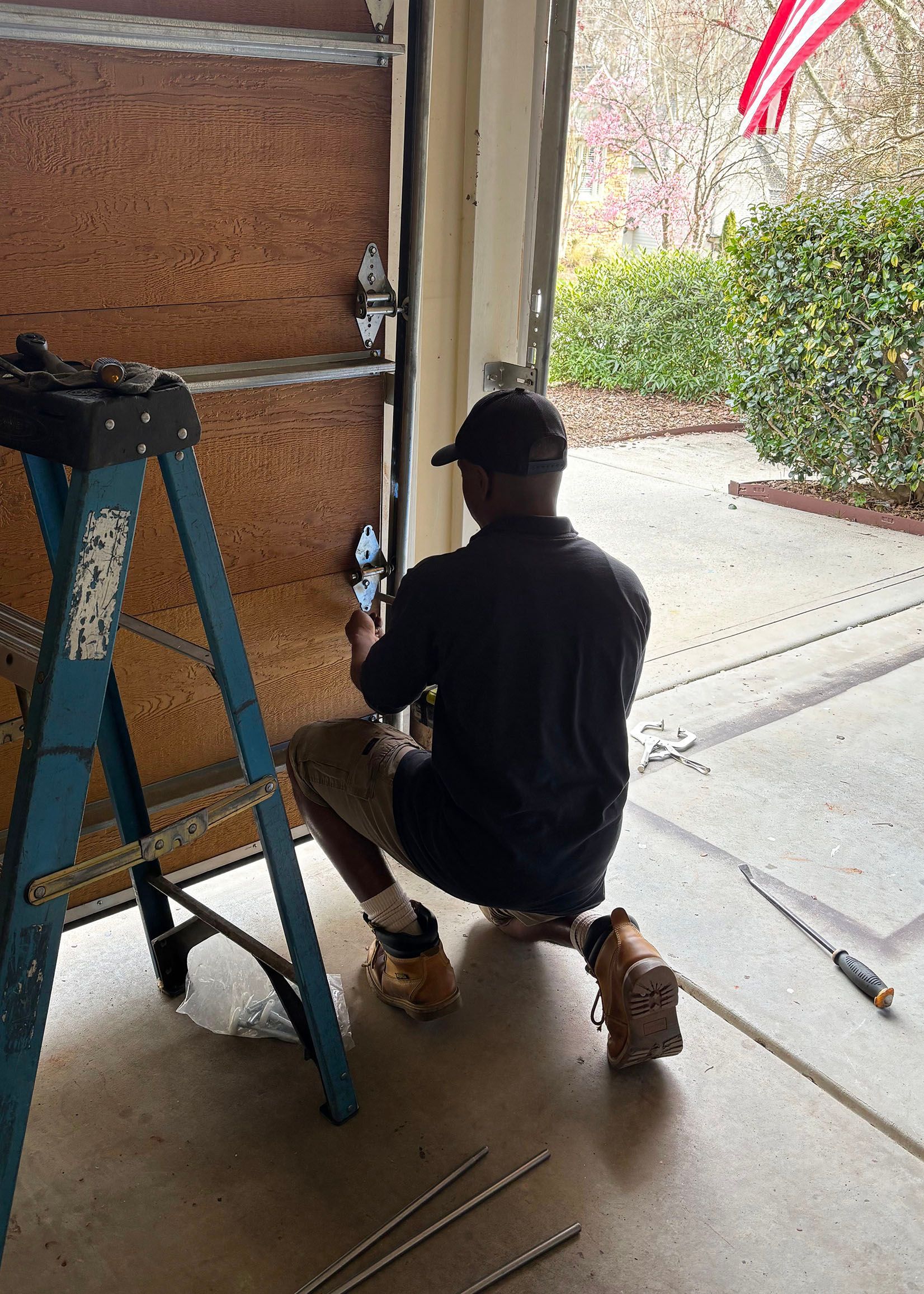
- Myth: "Replacing a spring is an easy DIY job." Garage door springs hold enough tension to lift a door that weighs a couple hundred pounds or more. When a spring or winding bar slips, it can cause serious injury. Without the right tools and training, a "quick fix" can also damage the door, cables and opener. Learn more about why springs are so dangerous, and call us for spring replacement and repair.
- Myth: "If the door opens, it's working fine." A door can open and close while badly out of balance. When springs weaken, the opener does more of the lifting. That strain wears out the motor and gears early, turning a spring adjustment into an opener replacement.
- Myth: "Garage doors don't need maintenance." Your garage door may be the largest moving object in your home, and many doors open and close several times a day. Rollers wear, hardware loosens and springs lose tension. A yearly inspection catches these issues while they are still small.
More myths that lead to bigger repair bills
- Myth: "WD-40 works on everything." General-purpose sprays clean but don't lubricate for long, and heavy grease in the tracks collects dirt. Use a silicone or lithium spray made for garage doors on rollers, hinges and springs. Leave the tracks clean and dry.
- Myth: "A noisy door means I need a new opener." Grinding, squeaking and rattling usually come from worn rollers, dry hinges or loose hardware, not the opener. Our guide on when rollers need replacing explains the signs. If the opener is the problem, our repair-or-replace guide can help you decide.
- Myth: "Replacing one panel is always cheaper than a new door." Panel replacement is a great option when the door is fairly new and the panel is still made. On older doors, a matching panel may be discontinued or the color may no longer match. We will tell you honestly which option makes sense. See our panel replacement page for details.
- Myth: "Insulation only matters if I heat my garage." If your garage is attached, its temperature affects the rooms next to and above it. An insulated garage door helps with Charlotte summer heat as much as winter cold, and it makes the door stronger and quieter.
- Myth: "The safety sensors are optional." Federal safety rules have required automatic reversal on residential openers for decades, and modern openers use photo-eye sensors to stop the door if something is in its path. Taping sensors together or bypassing them puts kids and pets at risk. If your door won't close, the sensors may simply need to be realigned.
Is the cheapest quote always the best deal?
Not always. A low phone quote can turn into a much higher bill once the technician arrives. Some companies quote a bare service call, then add parts and labor on site, or push a full door replacement when a repair would work. Others install builder-grade springs that wear out much sooner.
Before you hire anyone, ask three questions:
- Will I get the full price in writing before work starts?
- What brand and grade of parts will you use, and what warranty comes with them?
- Are your technicians employees who have passed a background check?
Our guide to choosing a garage door repair service in Charlotte covers more red flags to watch for.
Can I hang storage from my garage door tracks?
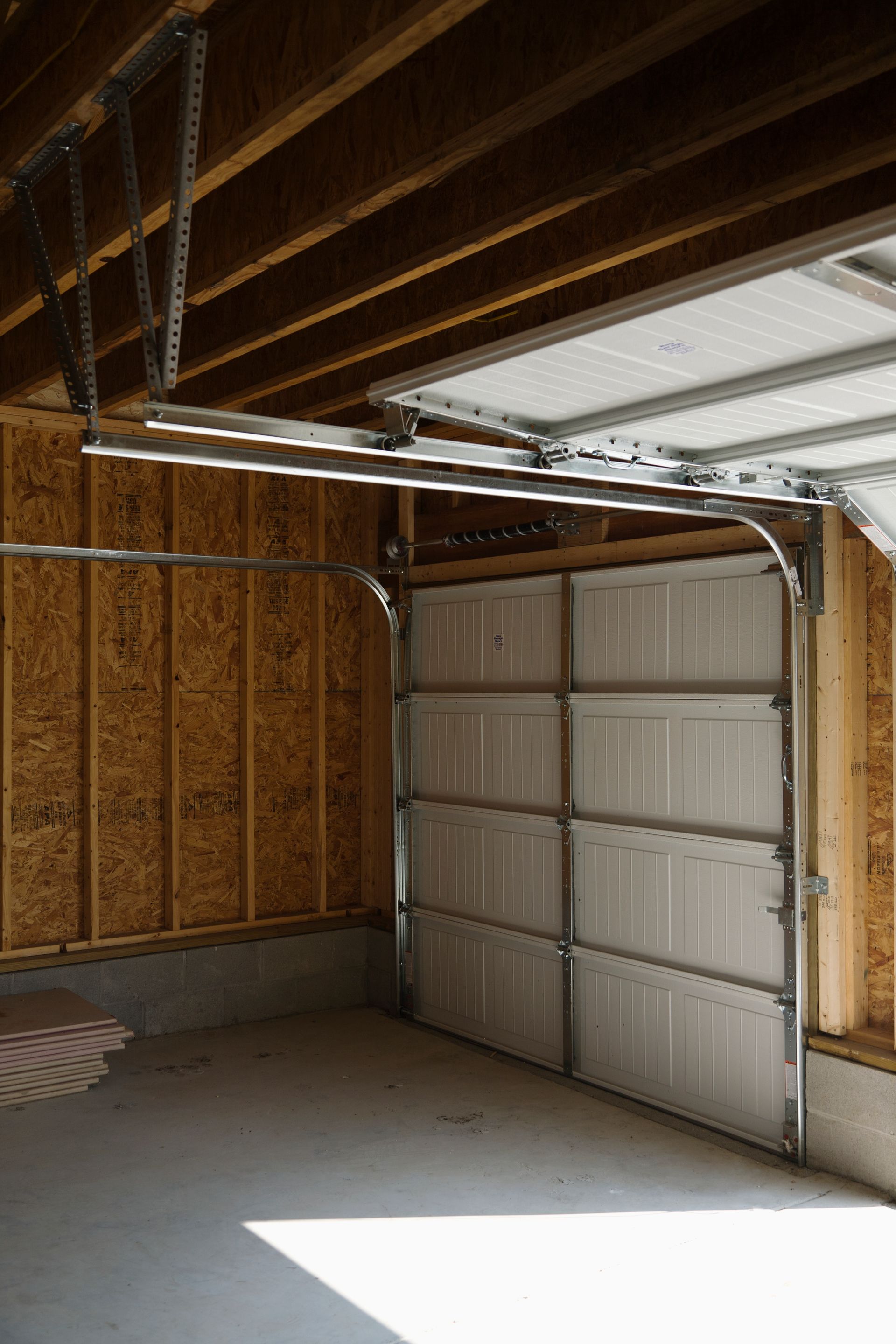
This one comes up often when people clean out their garages. Tracks, springs and the opener rail are built to carry the door and nothing else. Hanging bikes, bins or shelves from them can bend the tracks, knock the door out of alignment and stress the opener. If you are short on space, our post on garage storage solutions explains how to plan ceiling racks that work with your door.
What actually saves money on garage door repairs?
The habits that keep repair bills low are simple:
- Get a yearly tune-up. Our Residential Preventive Maintenance Program covers a full safety inspection, lubrication, spring adjustment and an opener tune-up, plus 5% off repairs while you are enrolled.
- Test your door monthly. Watch and listen as it opens and closes. Jerky movement, new noises or a door that drifts are early warning signs.
- Act on the first symptom. Our list of signs it is time for a repair can help you decide when to call.
- Choose quality parts. Higher-cycle springs and better rollers cost a little more up front and last much longer.
How Garage Door Doctor helps you avoid costly mistakes
We give you a clear, upfront price before any work begins, with no bait-and-switch. Our background-checked technicians arrive in fully stocked trucks, so most garage door repairs are done on the first visit, often the same day. If a repair makes more sense than a replacement, we will tell you. We also offer discounts for veterans, first responders and educators.
Frequently asked questions
Is it safe to replace a garage door spring myself?
We do not recommend it. Garage door springs are under high tension and can cause serious injury if they slip or break during adjustment. A trained technician has the right tools and parts to do the job safely.
What lubricant should I use on my garage door?
Use a silicone or lithium-based spray made for garage doors on rollers, hinges, bearings and springs. Avoid heavy grease in the tracks, since it collects dirt and slows the rollers.
How often should a garage door be serviced?
Most homeowners should have their garage door professionally inspected and tuned up once a year. Doors that get heavy daily use may benefit from more frequent checks.
Why is my garage door so loud?
Most garage door noise comes from worn rollers, dry hinges or loose hardware. Lubrication and new rollers often fix it. A technician can tell you if the opener is the cause.
Do garage door safety sensors have to work?
Yes. Automatic garage door openers are required to have safety reversal features, and photo-eye sensors are a key part of that system. Never bypass them. If they stop working, they usually just need to be cleaned or realigned.
Not sure if it's a myth or a real problem?
Our technicians will inspect your door, explain what they find in plain language and give you an upfront price before any work starts.