If your garage door has started acting up, you're probably asking yourself the same question we hear from homeowners across Huntersville, Charlotte, and the Lake Norman area every week: should we repair it, or is it finally time to replace it? The answer isn't always obvious, and guessing wrong can cost you more money and more headaches down the road. Below, we'll walk through the factors we consider every time we evaluate a garage door, so you can make a confident, informed decision for your home.
When to Repair or Replace Your Garage Door
Before we get into the specifics, it helps to understand that this decision usually comes down to four things: age, frequency of problems, cost, and safety. We'll break each of these down so you know exactly what to look for.
Assessing Your Garage Door's Age and Lifespan
Most garage doors are built to last between 15 and 30 years, depending on the material, climate exposure, and how well the door has been maintained. If your door is creeping up on or past that range, repairs become less of a long-term fix and more of a temporary patch. Older doors also tend to lack the insulation, safety sensors, and smart features that come standard on newer models, which means a replacement can pay you back in comfort and efficiency, not just curb appeal.
If you're not sure how old your door is or how much life it has left, our
residential preventive maintenance service includes a full inspection where we'll give you an honest read on where your door stands.
How Frequent Breakdowns Impact Your Decision
One or two repairs over the life of a door is completely normal. But if you find yourself calling for service every few months, that's a sign the underlying components — springs, rollers, or the opener itself — are wearing out faster than they can be reliably patched. At that point, continuing to repair the same door often ends up costing more than a single replacement would.
We've written in detail about how to
tell when it's time for a repair versus a call to a professional, and that piece is a good companion read if you're still in the early stages of troubleshooting.
Cost Considerations: Repair Costs Versus Replacement Investment
We know cost is often the deciding factor, and we believe you deserve full transparency here. Rather than throwing out rough estimates that may not reflect your specific door, brand, or damage, we offer upfront, no-surprise pricing on every job. Our technicians will walk you through the real cost of repairing your current door alongside the cost of replacing it, so you can compare apples to apples before committing to either path.
If you'd like a clear, no-obligation number for your specific situation, you can request a
free quote any time.
Factoring in Warranties and System Coverage Benefits
Warranty coverage can tip the scales significantly. If your door or opener is still under manufacturer warranty, many repairs may cost you little to nothing out of pocket. On the other hand, if your warranty has expired and you're facing a major component failure, that's often the moment replacement becomes the smarter investment, especially since a new door comes with a fresh warranty and years of worry-free coverage ahead of it.
Our
maintenance programs are designed to help you get ahead of these issues, extending the life of your current system while keeping you informed about when coverage benefits make the most sense to use.
Structural Integrity and Safety Evaluation
Cost and age matter, but nothing outweighs the structural and safety condition of your door. This is where we always recommend a professional set of eyes, because some issues aren't visible until something fails.
Checking for Structural Damage and Panel Issues
Dents, warping, rust, and cracked panels aren't just cosmetic concerns — they can throw off the balance of the entire door, putting extra strain on the springs, tracks, and opener. In many cases, a single damaged panel can be repaired or replaced without needing a full door replacement. We cover this in more depth in our
ultimate guide to garage door panel replacement, which walks through when a panel swap makes sense and when it doesn't.
Evaluating Safety Risks and When to Call a Professional
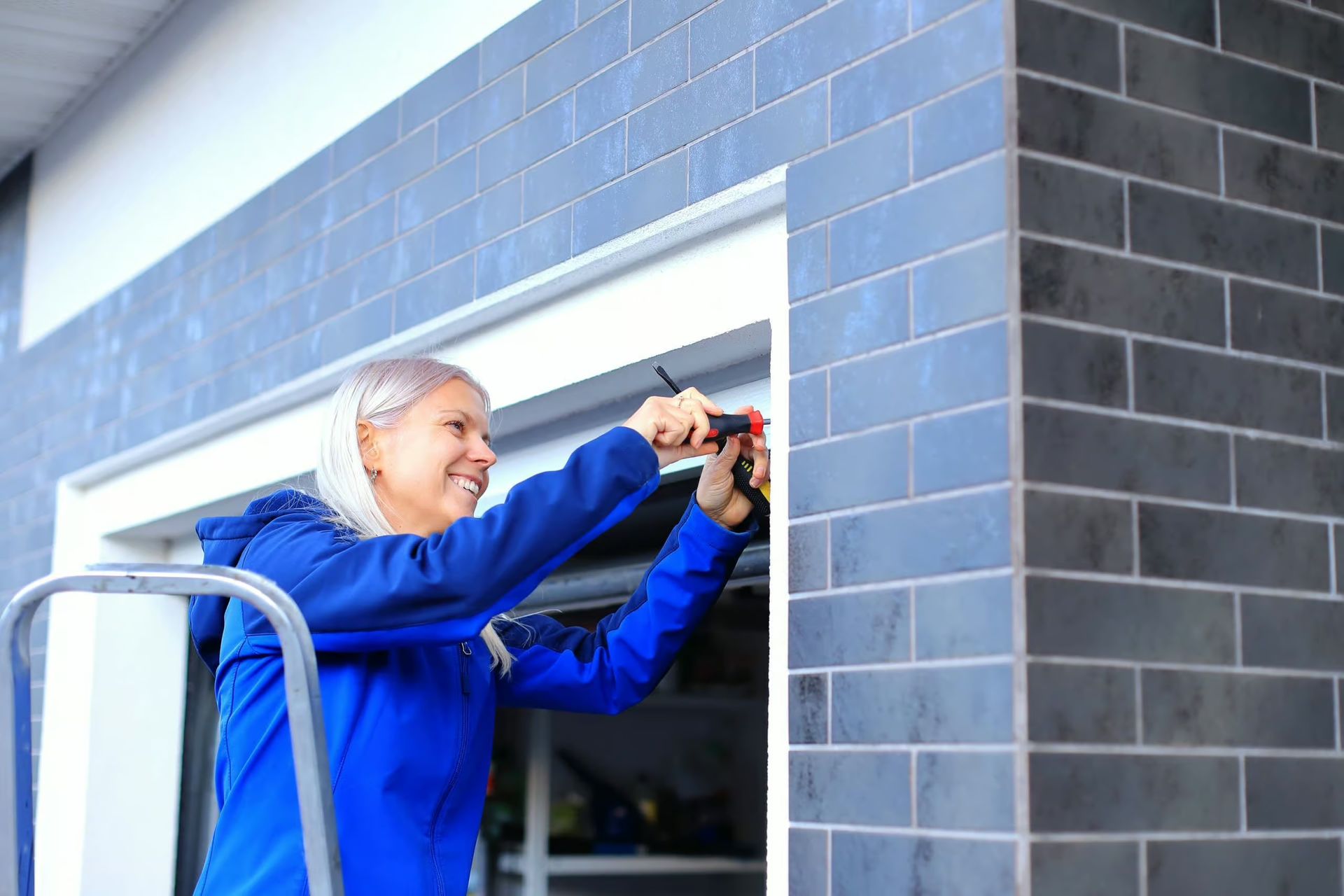
Garage doors are one of the largest moving objects in most homes, and the springs that lift them store an enormous amount of tension. If you're noticing gaps in the door, a door that slams shut, or safety sensors that aren't responding, these are not DIY situations. We always recommend bringing in a background-checked, professionally trained technician rather than attempting these repairs yourself.
For more on why spring-related issues in particular require a professional, take a look at our post on
how garage door springs work and why they're so dangerous.
Performance, Efficiency, and Modern Garage Door Features
Even if your door is structurally sound, it might simply be underperforming compared to what's available today. This is often where replacement starts to look more appealing than repair, even when repair is technically possible.
Insulation, Energy Savings, and Comfort Advantages
If your garage isn't insulated, you may be losing more energy through that door than you realize, especially if the garage is attached to your home or used as a workspace. Upgrading to an
insulated garage door can noticeably improve comfort and help regulate temperature swings throughout the year. We go into more detail on this in our post about the
benefits of insulating a garage door.
Quieter Operation and Advanced Opener Features
Older openers tend to be loud, clunky, and limited in functionality. Newer systems offer quieter belt-drive operation, smartphone app control, and integration with smart home platforms. If your current opener is the main source of frustration, it's worth comparing
chain-drive versus belt-drive openers to see what fits your home best, and our
garage door opener repair page can help you determine whether a repair or full opener upgrade makes the most sense.
Maintenance Checklist for Homeowners: Keeping Your Garage Door Lasting Longer
Whether you decide to repair or replace, ongoing maintenance is what protects your investment moving forward. Here's a simple checklist we recommend homeowners follow:
- Lubricate rollers, hinges, and tracks every few months
- Test the auto-reverse safety feature regularly
- Inspect weatherstripping for cracks or gaps
- Listen for new or unusual noises during operation
- Check that safety sensors are aligned and unobstructed
- Schedule a professional inspection at least once a year
For a more detailed seasonal breakdown, our
spring garage door maintenance checklist is a helpful resource, and our
residential preventive maintenance program takes care of most of this for you automatically.
How Garage Door Experts Help You Decide to Repair or Replace
At the end of the day, the repair-versus-replace decision doesn't have to be one you make alone. As a locally owned company serving the Charlotte area since 2005, we've built our reputation on honest assessments and transparent pricing, backed by over 1,700 Google reviews at a 4.9-star rating and an A+ BBB accreditation. Our technicians arrive in fully stocked trucks, are background-checked and professionally trained, and we offer same-day service when you need answers fast.
If you're on the fence about your garage door, we're happy to come take a look, walk you through your options honestly, and let you decide what makes sense for your home and budget. You can request a free quote or contact us today to get started.