NFPA 80 Fire Door Compliance: What Charlotte-Area Businesses Need to Know
Garage Door Doctor
NFPA 80 Fire Door Compliance: What Charlotte-Area Businesses Need to Know
If your commercial building has fire-rated doors, staying on top of NFPA 80 isn't optional; it's a life safety requirement and a legal one. At Garage Door Doctor, we work with property managers, facility directors, and business owners across Charlotte to make sure fire doors are installed correctly, inspected on schedule, and documented the right way. Here's what you need to know to keep your building compliant.
Understanding NFPA 80 and Fire Door Compliance in Charlotte
What Does NFPA Regulate and Why Is It Essential for Charlotte Businesses?
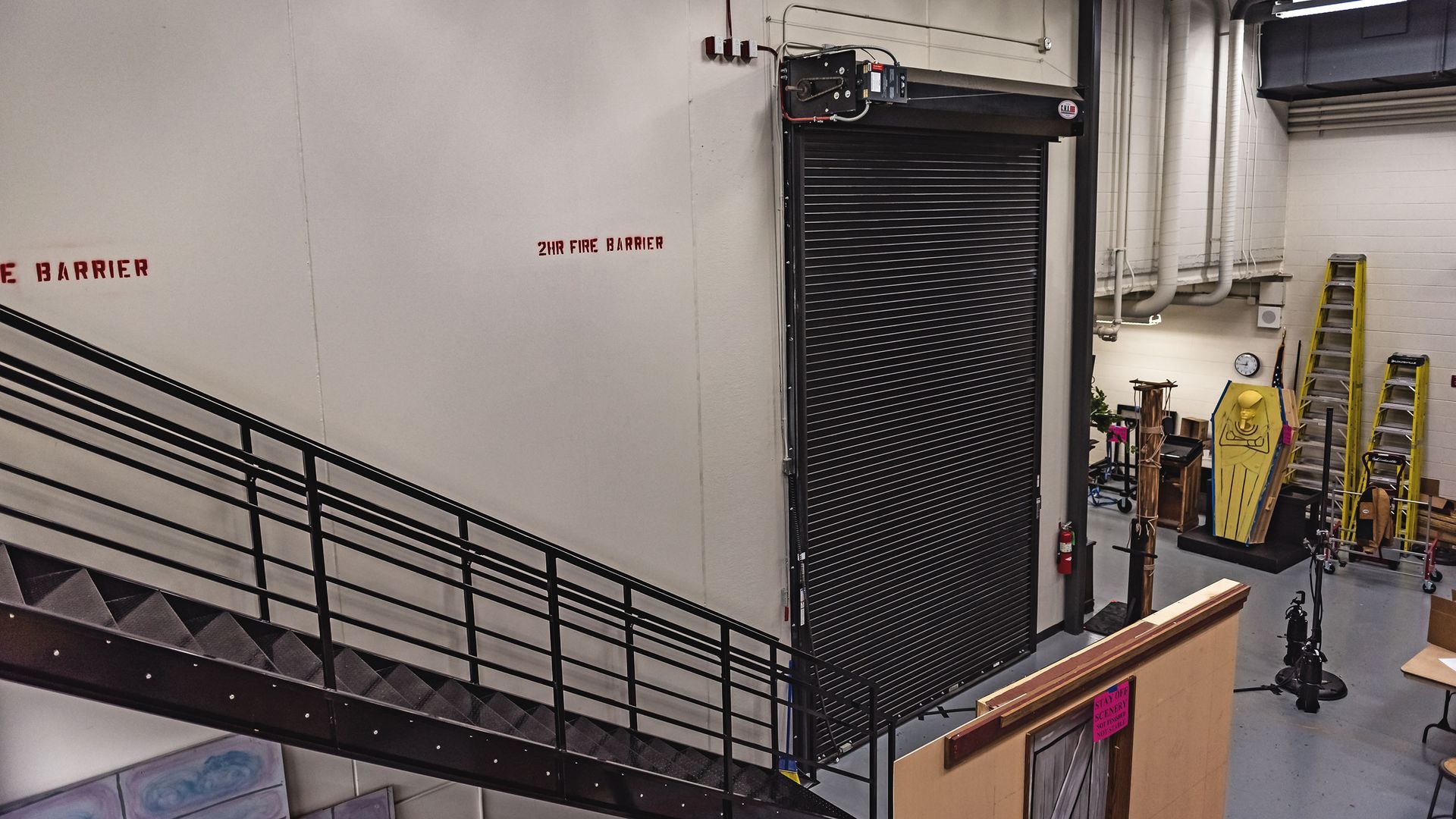
NFPA 80 is the national standard that governs the installation, inspection, testing, and maintenance of fire doors and other opening protectives — including fire-rated rolling steel doors and fire shutters. In practical terms, it exists to make sure a fire door will actually do its job during an emergency: contain flames and smoke long enough for people to evacuate safely and for first responders to do their work.
For Charlotte-area businesses, this isn't just a best practice. Fire marshals, insurance carriers, and local building officials all reference NFPA 80 when they evaluate a property's fire safety systems. A fire door that hasn't been properly maintained or documented can become a liability during an inspection, a claim, or worse, an actual fire event.
How NFPA 80 Applies to Charlotte-Area Commercial Buildings
NFPA 80 requirements apply to any commercial property with fire-rated door assemblies. That covers a wide range of building types we regularly work in throughout the Charlotte metro, including warehouses, distribution centers, manufacturing facilities, schools, healthcare facilities, retail centers, and multi-tenant office buildings. If your building was constructed to fire code, or has ever undergone a fire inspection, there's a strong chance it has fire-rated doors that fall under NFPA 80.
We provide
NFPA 80 fire door installation and inspection services throughout Charlotte and surrounding communities like
Concord,
Huntersville,
Matthews, and
Gastonia, helping facility owners confirm which doors on their property are subject to these rules.
Fire Door Inspections: Requirements and Process in Charlotte
Fire Door Inspection Requirements Under NFPA 80
Under NFPA 80, fire-rated doors and their hardware need to function exactly as designed at all times. That means the door closes fully, the latch engages, the automatic release device functions correctly, and nothing obstructs the door's path. Inspections are built around confirming each of those functions works and documenting the results.
How Often Are Fire Door Inspections Required in Charlotte?
NFPA 80 requires fire-rated doors to be inspected and tested at least once per year. Some facilities, particularly those with heavy daily door usage or specific insurance or local code requirements, may need more frequent checks. Because inspection frequency can vary by occupancy type and local enforcement, it's worth having a professional assess your specific building rather than assuming an annual visit is always sufficient.
What Happens During a Fire Door Inspection Service?
During a fire door inspection, our background-checked technicians examine the door's overall condition, closing speed, automatic closing and latching mechanisms, fusible links, guides, and mounting hardware. When applicable, we perform a drop test to confirm the door closes and seats properly. We then provide written documentation covering what passed, what didn't, and what needs attention — with transparent, upfront pricing before any repair work begins.
Maintaining Compliance with Fire Door Regulations in Charlotte
How to Properly Document Inspections for Fire Code Compliance
Documentation is often the difference between a smooth fire marshal visit and a failed one. Every NFPA 80 inspection we perform comes with written records that identify which doors passed, which require remediation, and the specific issues found. That paperwork is built to satisfy fire marshal reviews, insurance audits, and your own internal compliance files, so you're never scrambling to prove your building is up to code.
What If Fire Doors Show Signs of Non-Compliance?
If a fire door doesn't meet NFPA 80 standards, the fix depends on the issue. A misaligned guide or a worn fusible link might only need a targeted repair, similar to the kind of adjustment we make through our
commercial garage door repair services. In other cases, especially with older rolling steel or sheet door assemblies that have outlived their hardware, a full
commercial garage door replacement may be the more reliable long-term solution. Either way, we walk you through the findings in plain language and give you clear pricing before any work starts.
Finding Professional Fire Door Inspection Services in Charlotte
Not every garage door company is equipped to handle fire-rated assemblies. NFPA 80 work requires familiarity with rolling steel door mechanisms, release hardware, and the documentation standards fire officials expect to see. If you're evaluating providers, our guide on
choosing a commercial garage door company covers the questions worth asking before you commit to a vendor for ongoing compliance work.
Charlotte Fire Safety Regulations and Interconnected Systems
Plan Review Division, Certificate of Occupancy, and Upfit Regulations
Fire door compliance rarely exists in isolation. If you're opening a new facility, renovating an existing space, or completing a tenant upfit in Charlotte, your fire-rated door assemblies are typically reviewed as part of the broader plan review and certificate of occupancy process. New or replacement fire doors installed during a build-out need to meet NFPA 80 from day one, which is why it pays to loop in a fire door specialist early in any commercial construction or renovation project rather than after the fact.
Integration with Fire Alarm Systems and Equipment Servicing
Fire doors don't operate independently — many are tied into a building's fire alarm and detection systems, with automatic closers that trigger when smoke or heat is detected. Keeping these systems working together requires more than a one-time inspection. Enrolling your property in a structured
commercial preventive maintenance program helps catch small mechanical issues, like a slow-closing door or a sticking release mechanism, before they turn into a failed inspection or a life safety gap.
Choosing a Fire Door Service Provider and Scheduling an Inspection
How to Request a Quote and Get Fire Door Inspection Service
Scheduling an NFPA 80 inspection with Garage Door Doctor is straightforward. You can
request a quote online or reach our team directly through our
commercial contact page. We'll ask a few questions about your facility, confirm which doors need to be assessed, and schedule a visit that works around your operating hours to minimize disruption.
Fire Door Compliance FAQs and Additional Resources
Frequently Asked Questions for Charlotte Area Businesses
We hear a lot of the same questions from Charlotte facility managers navigating fire door compliance for the first time — how often inspections are required, what documentation looks like, and what happens if a door fails. We've compiled detailed answers on our
NFPA 80 fire door service page, and our general
FAQs page covers broader questions about scheduling, pricing philosophy, and service areas.
Recommended Fire Prevention and Compliance Resources
Beyond our own services, the National Fire Protection Association publishes the full NFPA 80 standard and related fire prevention resources, and your local Charlotte fire marshal's office is a valuable resource for building-specific questions about inspection frequency and code enforcement. We're always happy to help facility owners understand where our scope of service ends and where those authorities take over.
Special Use Cases: Hazardous Materials and Event Fire Safety in Charlotte
Some facilities carry extra fire door considerations. Buildings that store or handle hazardous materials often have stricter fire-rated door requirements and more frequent inspection schedules due to the elevated risk profile. Similarly, properties that host large public events, like conference centers, distribution hubs during peak seasons, or retail spaces during high-traffic periods, need to make sure fire doors and their automatic closing systems are fully operational before crowds arrive, not after an incident exposes a gap. If your facility falls into either category, it's worth scheduling an inspection well ahead of any seasonal spike in occupancy or activity.
Keeping fire doors compliant protects the people inside your building and protects your business from the cost of a failed inspection. If it's been a while since your last NFPA 80 inspection, request a quote or give our team a call at 704-705-8444, and we'll help you figure out exactly where your facility stands.