Sectional Garage Doors 101: What Homeowners Should Know Before Buying
Garage Door Doctor
Sectional Garage Doors 101: What Homeowners Should Know Before Buying
If you're shopping for a new garage door, chances are you'll end up looking at a sectional garage door. It's the most common style on homes across Charlotte, Huntersville, and the surrounding Lake Norman area, and for good reason. Before you make a decision that affects your home's curb appeal, energy efficiency, and safety for years to come, we want to walk you through everything you should know. As a locally owned company serving this community since 2005, we've installed, repaired, and replaced more sectional garage doors than we can count, and we're sharing what we've learned so you can buy with confidence.
Understanding Sectional Garage Doors: Types, Materials, and Design Basics
What Are Sectional Garage Doors and How Do They Work?
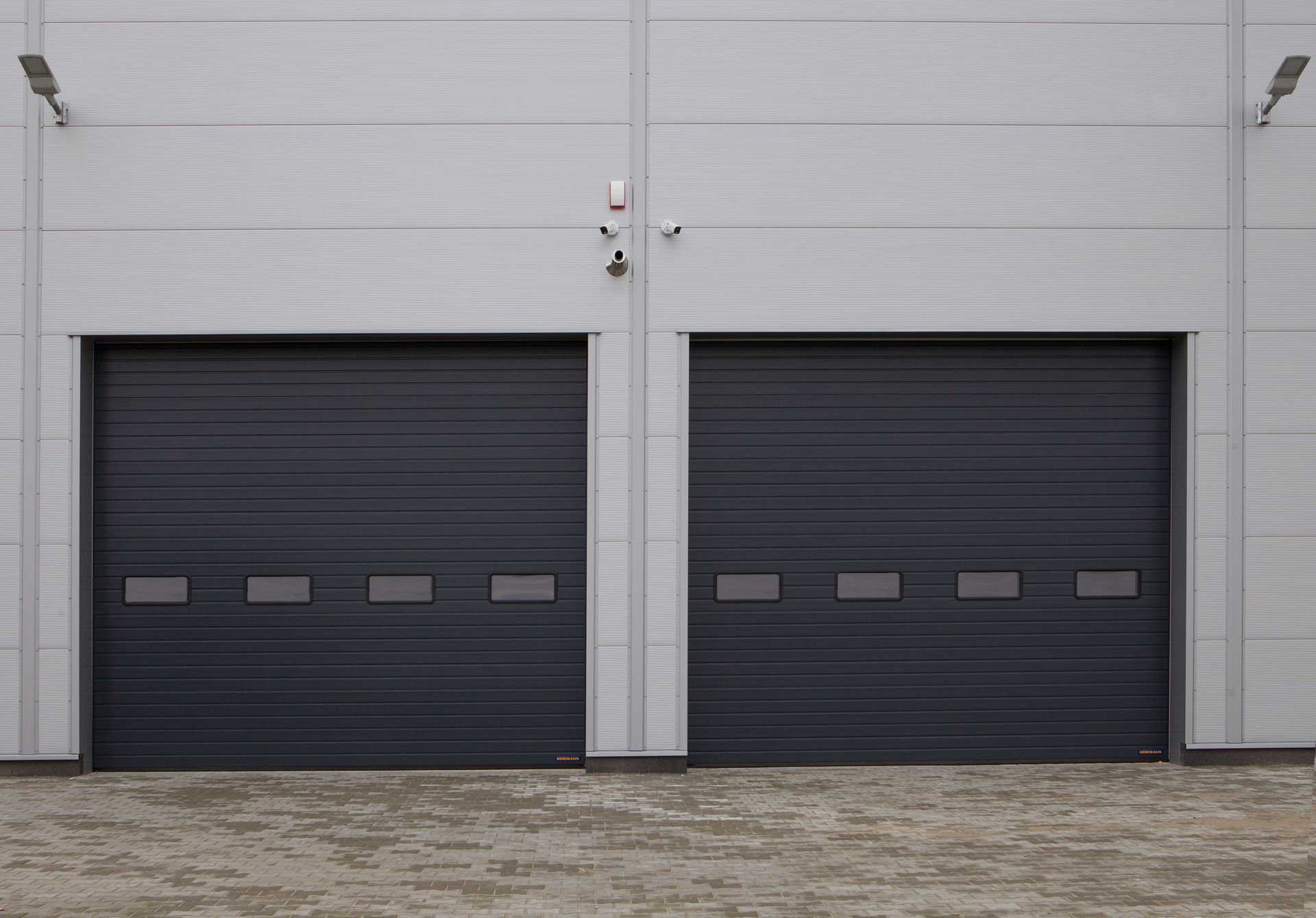
A sectional garage door is built from several horizontal panel sections that are hinged together. As the door opens, it travels along a vertical track and then curves onto a horizontal track that runs along your garage ceiling, sitting flush against it when fully open. This design is different from single-panel or tilt-up doors, which swing outward as one solid piece.
We recommend sectional doors to the vast majority of our residential customers because the design offers a few clear advantages:
- Space efficiency. Since the door travels straight up and back rather than swinging out, you don't lose any driveway or garage space when it's open.
- Even weight distribution. The panel sections work with a system of springs, cables, and rollers to balance the door's weight, which makes it easier to open, whether manually or with an opener.
- Better insulation potential. Because each panel can be individually insulated, sectional doors tend to perform better for energy efficiency than single-panel alternatives.
If you're not sure whether your current door is a true sectional style or something else entirely, our team can take a look during a
quote visit and explain your options.
Comparing Garage Door Construction Materials: Steel, Wood, Aluminum, and Fiberglass
The material your door is made from affects everything from durability to maintenance needs to price. Here's how the most common options compare:
Steel is the most popular choice for homeowners in our area, and it's easy to see why. It's durable, resistant to warping, low-maintenance, and available in a wide range of gauges and insulation levels. Steel doors can also be finished to mimic the look of wood, giving you a premium appearance without the upkeep.
Wood offers a classic, high-end look that's hard to replicate with any other material. Wood doors are often custom-built and can be stained or painted to match your home's exact aesthetic. The tradeoff is that wood requires more regular maintenance, including refinishing, to prevent warping, cracking, or moisture damage in our humid North Carolina summers.
Aluminum is lightweight and naturally resistant to rust, which makes it a strong option for larger doors or homes near bodies of water like Lake Norman. It's also a common choice for
full-view garage doors with large glass panels, since aluminum framing can support glass without adding excessive weight. Keep in mind that aluminum can dent more easily than steel.
Fiberglass doors are valued for their resistance to dents, rust, and cracking, along with their ability to mimic wood grain finishes. They tend to hold up well in coastal or high-moisture climates, though color fading over time is something to watch for.
Every home and budget is different, which is why we work with trusted manufacturers like LiftMaster, CHI, Haas, Clopay, and Amarr. Offering multiple brands means we can match you with the material and construction that fits your specific needs rather than pushing a one-size-fits-all option. You can browse styles and materials in more depth on our
premium garage doors page.
Matching Garage Door Style to Your Home's Architecture
Your garage door often makes up a significant portion of your home's front-facing exterior, so getting the style right matters. A few general guidelines we share with homeowners:
- Craftsman and bungalow-style homes tend to look great with carriage-house style doors that include decorative hardware and divided-light windows.
- Traditional or colonial homes often pair well with classic raised-panel steel or wood doors in a clean, symmetrical layout.
- Modern and contemporary homes are frequently suited to full-view or minimalist flush-panel doors that emphasize clean lines and large glass sections.
- Farmhouse-style homes often look best with wood-look steel doors that include simple panel designs and black hardware accents.
If you're unsure what will look best on your specific home, our
design your door tool lets you preview different styles, colors, and window options before you commit.
Design and Customization Options for Maximum Curb Appeal
Choosing Door Color and Finishing Touches That Last
Color is one of the easiest ways to make a big visual impact. Neutral tones like white, almond, and sandstone remain popular because they're versatile and timeless, while darker colors like black, dark bronze, and deep charcoal have become increasingly popular for modern curb appeal. If you're going darker, keep in mind that some finishes absorb more heat, so ask us about heat-resistant coatings if you live in a spot that gets a lot of direct afternoon sun.
Beyond color, small finishing touches make a real difference:
- Decorative hinges and handles
- Faux strap hinges for a carriage-house look
- Matching trim or garage door frame color to your shutters or front door
Enhancing Style With Glass, Windows, and Decorative Hardware Options
Windows can transform the look of an otherwise plain door while also bringing natural light into your garage. Popular configurations include a single row of windows across the top panel, arched windows for a more traditional look, or full-height glass sections for a contemporary feel.
If you love the idea of maximizing natural light, take a look at our
full-view garage doors, which use aluminum framing and glass panels to create a bold, modern statement. Decorative hardware, like handles, hinge straps, and clavos, can be added to almost any door style to complete the look. We walk through all of these options together, and our
design your door visualizer makes it easy to see combinations before you buy.
Performance Features: Insulation, Energy Efficiency, and Noise Reduction
Insulation, Energy Savings, and Temperature Control Explained
Insulation is one of the most important, and most overlooked, factors in a garage door purchase. An insulated door helps regulate the temperature inside your garage, which matters if your garage is attached to your home, used as a workspace, or houses a laundry room or refrigerator.
Garage doors typically use one of two insulation types:
- Polystyrene (EPS): A rigid foam board inserted into the door panel. It's a cost-effective option that still provides a meaningful boost in insulation value.
- Polyurethane: A foam that's injected and expands to fill the entire panel cavity, bonding to the steel skins. This creates a stronger, more rigid door with a higher R-value and better sound dampening.
The right level of insulation depends on how you use your garage and your local climate. Since Charlotte experiences hot, humid summers and occasional cold snaps in winter, insulation can make a noticeable difference in comfort and energy costs. Our
insulated garage doors page breaks down R-values and helps you compare your options.
Noise Reduction for a Quieter Garage
If your garage sits below a bedroom or near a home office, a noisy door can be a real nuisance. Insulated doors with polyurethane cores tend to run quieter because the added density dampens vibration. Beyond the door itself, factors like nylon rollers instead of steel, a belt-drive opener instead of chain-drive, and properly lubricated hardware all contribute to quieter operation. If your current door has become noticeably louder over time, that's often a sign of worn rollers or hinges rather than a problem with the door panels themselves, and it's worth having a technician take a look before assuming you need a full replacement.
Safety, Security, and Operational Safety Mechanisms
Essential Safety Features: Sensors, Auto-Reverse, and Locking Systems
Modern garage doors include several safety mechanisms that are worth understanding, especially if you have kids or pets at home:
- Photo-eye safety sensors: Small sensors mounted near the bottom of each track that detect obstructions and stop the door from closing on a person, pet, or object.
- Auto-reverse mechanism: If the door senses resistance while closing, it automatically reverses direction.
- Manual locking systems: Slide locks or T-handle locks that secure the door from the inside, adding a layer of security when you're away.
These systems require periodic testing and alignment to work properly. If your sensors are misaligned, even slightly, the door may refuse to close or reverse unexpectedly, which is more of a nuisance than a hazard, but it's a sign the safety system needs attention.
Security Features to Deter Break-Ins and Resist Extreme Weather
Beyond day-to-day safety, your garage door plays a bigger role in home security than many people realize, since it's often the largest entry point on the house. Look for doors with reinforced tracks, tamper-resistant release mechanisms, and rolling-code technology on your opener, which changes the access code after every use to prevent signal interception.
For homeowners in our service area, wind resistance is also worth considering, particularly if you're replacing a door after storm damage. Reinforced panels and heavier-duty tracks help a door hold up against high winds. We can help you evaluate wind-load ratings appropriate for your neighborhood when you request a
quote.
Installation, Maintenance, and Long-Term Ownership
Professional Installers Versus DIY Garage Door Installation
We understand the appeal of a DIY approach, especially with so many online tutorials available. That said, garage door installation is one of the more dangerous home projects a homeowner can take on. The torsion springs that counterbalance the door's weight are under extreme tension and can cause serious injury if handled without the right tools and training.
Beyond safety, professional installation also protects your investment. Every one of our technicians is background-checked and professionally trained, and our trucks arrive fully stocked so we can complete most installations correctly the first time, without a second trip for a missing part. A properly installed door also tends to qualify for full manufacturer warranty coverage, which can be voided by improper self-installation. For a closer look at what's involved, our
garage door installation page walks through our process from start to finish.
Routine Inspection Checklist and Maintenance Tips
A little routine maintenance goes a long way toward extending the life of your door. We recommend homeowners check the following every few months:
- Inspect springs, cables, and pulleys for visible wear or fraying
- Test the auto-reverse safety feature by placing an object in the door's path
- Lubricate rollers, hinges, and tracks with a garage door-specific lubricant
- Tighten any loose hardware, including brackets and hinges
- Clean and check the alignment of photo-eye sensors
If you'd rather not manage this on your own, our
residential preventive maintenance service and ongoing
maintenance programs are built to catch small issues before they become expensive repairs.
When to Call for Garage Door Repair or Parts Replacement
Some signs point clearly to the need for professional repair rather than a DIY fix:
- The door is unusually slow, jerky, or noisy when opening or closing
- One side of the door appears to sag or move unevenly
- Visible rust, cracking, or panel damage
- The opener runs but the door doesn't move, which often signals a broken spring
Because springs and cables are under high tension, we strongly recommend leaving those repairs to trained professionals. Our
spring replacement and repair and
garage door repair teams offer same-day service for most issues, so a broken door doesn't have to disrupt your week.
Buying Guide: Cost, Warranty, and Common Myths Debunked
Factoring Installation Costs and Material Value
Garage door pricing depends on several factors: material, insulation level, size, window and hardware options, and the complexity of the installation. Rather than quoting general price ranges that can vary widely and quickly become outdated, we believe the most helpful step is an in-home or virtual consultation where we can give you an accurate, transparent quote based on your specific door. That's part of our commitment to upfront pricing, no bait-and-switch, no hidden fees, so you know exactly what you're paying for before work begins. We also offer
financing options to help make a new door fit your budget, along with discounts for veterans, first responders, and educators.
Warranty, Reputation, and Avoiding Common Garage Door Myths
Warranty coverage varies by manufacturer and by component, meaning the springs, opener, and door panels may each carry different terms. We'll walk you through exactly what's covered when you purchase through us as an authorized dealer of premium brands.
A few myths worth debunking:
- "All garage doors are basically the same." In reality, material, insulation, and hardware quality create real differences in durability, noise, and energy performance.
- "A new coat of paint fixes a rusting door." Paint can mask surface rust temporarily, but underlying corrosion will continue to spread and weaken the panel.
- "DIY installation saves money in the long run." Improper installation is one of the most common causes of premature door failure and can void your warranty entirely.
Don't just take our word for it. With more than 1,700 Google reviews at a 4.9-star average and an A+ BBB accreditation, we've built our reputation one honest interaction at a time. You can read what our customers have to say on our
reviews page.
Final Homeowner Checklist and Frequently Asked Questions
Before you buy, run through this quick checklist:
- Have you identified the material that fits your climate, budget, and maintenance preferences?
- Have you considered insulation needs based on how your garage is used?
- Does the style you've chosen complement your home's architecture?
- Have you confirmed the safety features included with your new door?
- Have you scheduled professional installation rather than attempting a DIY approach?
If you still have questions, our FAQs page covers many of the most common questions we hear from homeowners. And if you're ready to take the next step, our team is here to help you find the right sectional garage door for your home, whether that's a straightforward replacement or a fully custom design. Request your free quote today, or contact us with any questions along the way.